
Integrations
Connections are made through documented APIs and, where a provider offers none, through agreed file-based imports. You get a written integration path before work starts.
How a connection is made
We start by establishing what your payment provider exposes: a documented API, webhooks, or scheduled reports. From that, we agree the connection method and the data the platform will receive. Where a provider cannot support a live connection, an agreed import keeps the records complete.
- Documented API connections where available
- Webhook events for status changes
- Scheduled file imports where APIs are not offered
- Written integration path before development starts
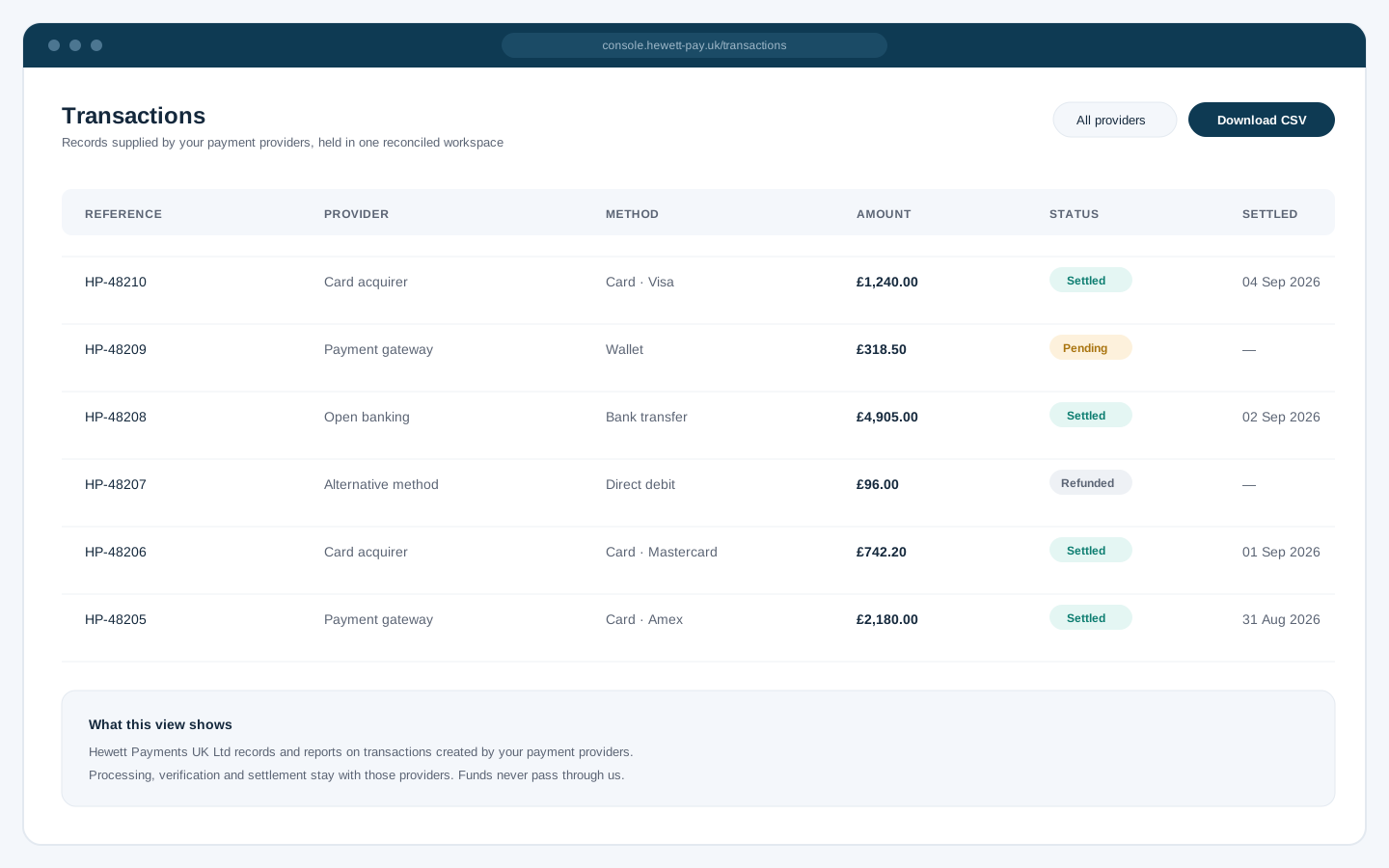
What the platform connects to
The platform is built to sit alongside the systems a payments-heavy business already runs.
Payment gateways
Card and wallet gateways that expose a suitable API or reporting feed.
E-commerce platforms
Order and customer records brought next to their payment history.
Accounting software
Period summaries exported in an importable structure.
Internal tools
Platform data exposed to your own dashboards through the API.
File imports
Agreed imports for providers without a public API.
Webhooks
Status-change events received where the provider supports them.
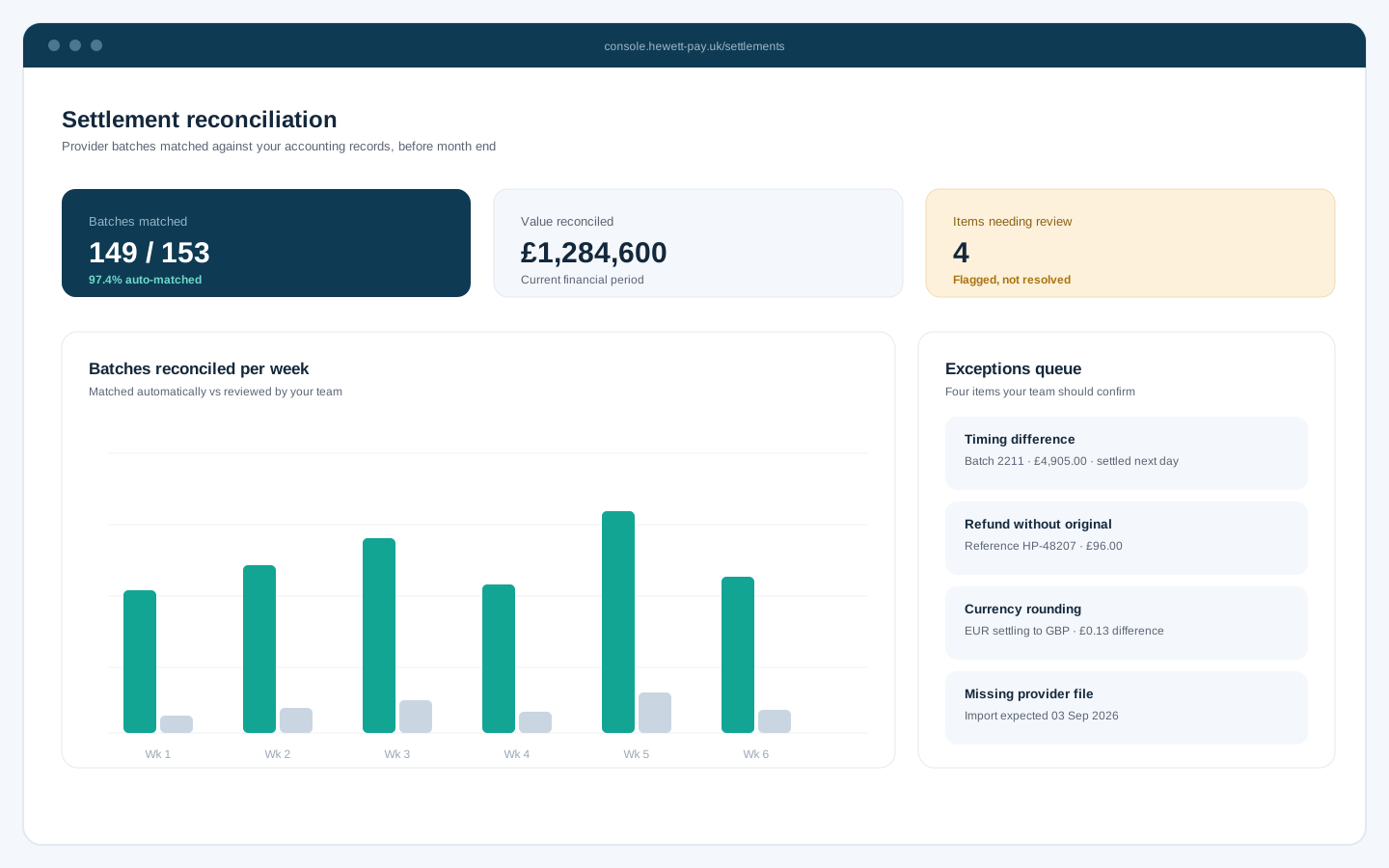
What your developers get
Integration should not be a black box. Your team receives endpoint documentation, authentication details and a description of the data model, plus a named contact for questions during the build.
- Endpoint and authentication documentation
- Data model description
- Sandbox testing before go-live
- Named technical contact during integration
Plan your integration
Send us the providers and systems you work with and we will set out the connection options.